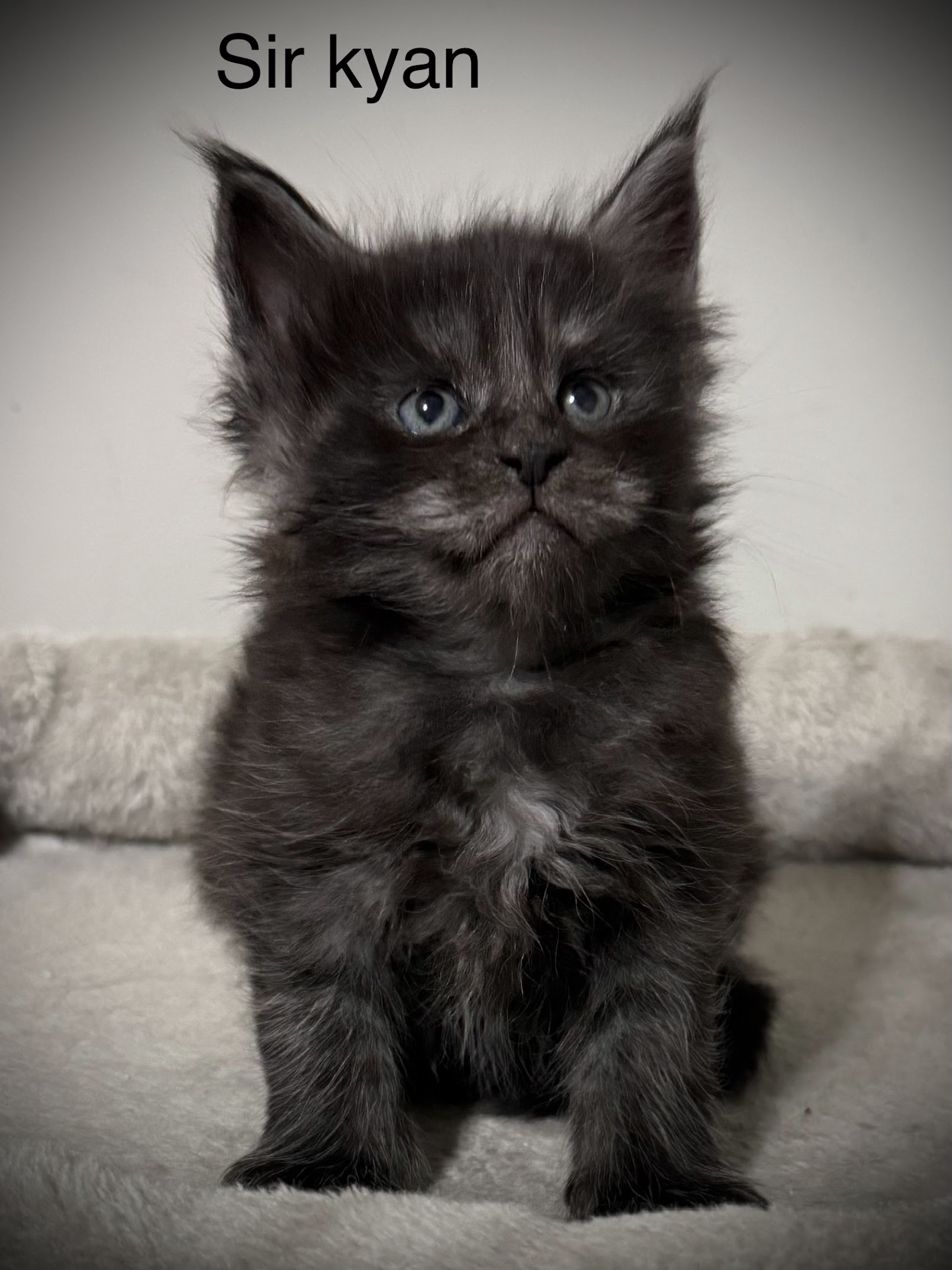
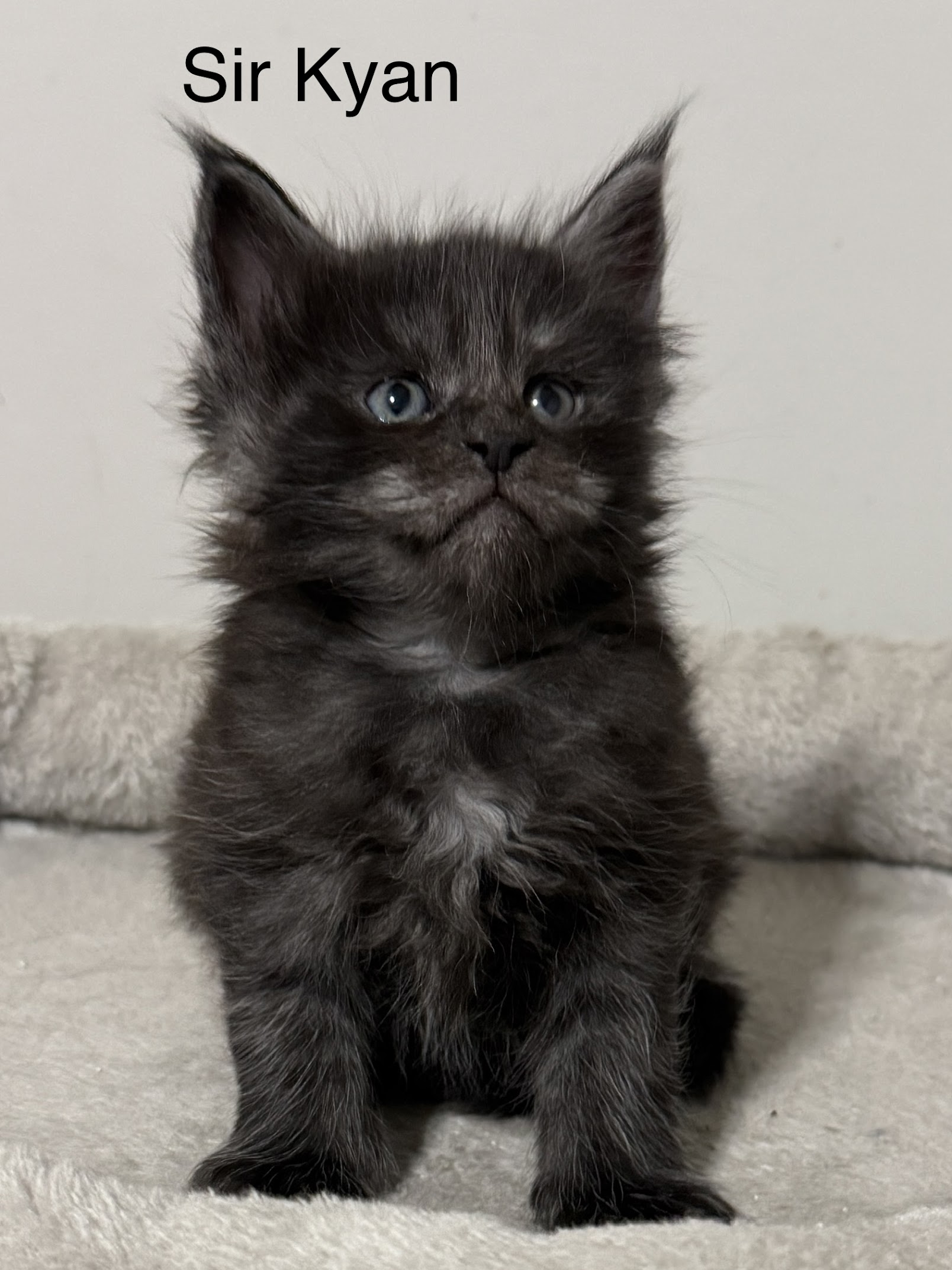
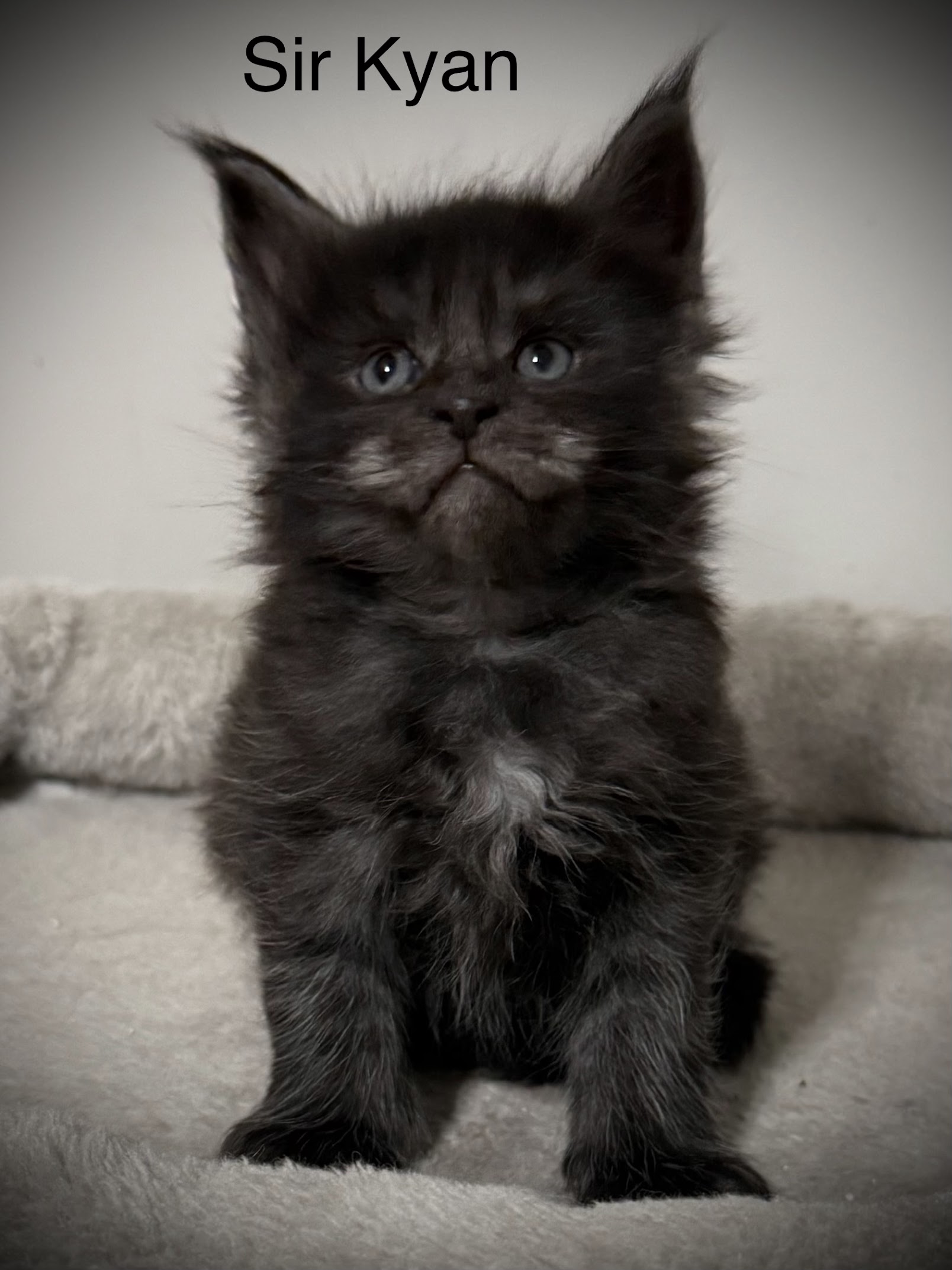
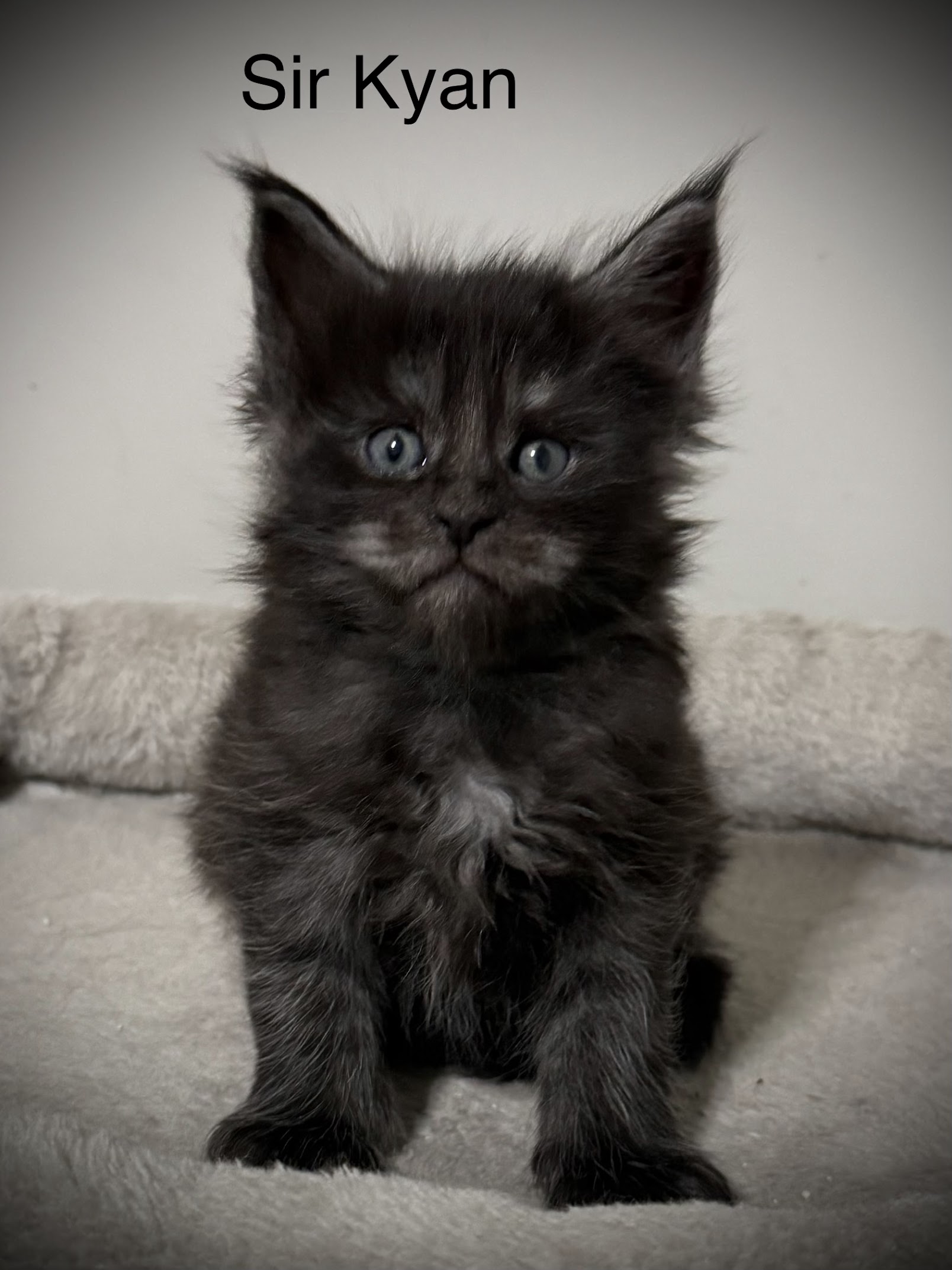
Polydactyl Paws & Piercing Blue Eyes: The Rare, Legendary, and Controversial Side of Maine Coon Genetics
Maine Coons are already one of the most beloved and instantly recognizable cat breeds in the world—known for their impressive size, luxurious shaggy coats, affectionate “dog-like” personalities, and gentle-giant charm. Yet beneath that iconic appearance lie two rare and captivating traits that have fascinated cat lovers, historians, geneticists, and breeders for generations: polydactyly (extra toes) and adult blue eyes.
These features are far more than cosmetic quirks. They carry centuries of seafaring folklore, evolutionary adaptation, genetic surprises, cultural legends, and modern-day controversy. Some see them as beautiful expressions of the breed’s rugged heritage; others view them as deviations from the “natural” Maine Coon standard. Both traits spark passionate discussion within the breed community.
In this in-depth article, we’ll explore the full story behind polydactyl Maine Coons and blue-eyed Maine Coons—from their historical origins and sailor superstitions to the science of the mutations, the Hemingway connection, breeding controversies, health considerations, and where these traits stand today.
1. Polydactyly: The Extra-Toed “Snowshoe” Paws of Maine Coons
What Is Polydactyly?
Polydactyly (from Greek poly = many, daktylos = finger) is the condition of having more than the usual number of toes. In cats, the normal paw has five toes on the front feet and four on the back. Polydactyl cats can have six, seven, or even more toes on one or more paws.
In Maine Coons, the most common presentation is extra toes on the front paws, often creating large, mitten-like “thumbs” or broad, snowshoe-shaped feet. This trait is caused by a dominant genetic mutation (most commonly the “Hemingway” or Hw variant in the ZRS enhancer region near the Sonic Hedgehog gene).
Historical Origins & Sailor Legends
Polydactyly was unusually common in the early Maine Coon population—some estimates suggest 25–40% of foundation cats carried the gene.
The trait likely arrived in North America via long-haired cats brought by European settlers and sailors between the 1600s and 1800s. Genetic studies point to possible influence from Norwegian Forest Cats and other northern European longhairs, breeds that also occasionally show polydactyly.
In the ports of New England—especially Boston, Portland, and other maritime hubs—these extra-toed cats became ship favorites. Sailors, a famously superstitious group, considered polydactyl cats lucky charms and exceptional mousers. The extra toes were believed to provide:
• Better balance and grip on pitching, wet ship decks during storms
• Superior climbing ability for hunting rats in rigging and tight spaces
• Enhanced traction in snow when the cats went ashore in winter
One charming (though unproven) legend ties polydactyly to Viking ship cats arriving around 1000 AD. More reliably documented is the spread of the trait along 18th–19th century trade routes. High concentrations of polydactyl cats still appear today in regions that were once major docking ports, supporting the sailor-origin theory.
Farmers in rural Maine also valued the trait: the broad paws acted as natural snowshoes, allowing cats to walk across deep snow while hunting rodents on homesteads.
The Hemingway Connection
No discussion of polydactyl cats is complete without Ernest Hemingway. In the 1930s, the author was gifted a six-toed white cat named Snow White by a ship captain in Key West, Florida. Hemingway adored polydactyl cats; over time his estate became home to dozens. Today, 40–60 polydactyl cats—many descendants of Snow White—still live at the Hemingway Home and Museum in Key West. The term “Hemingway cat” is now widely used (sometimes inaccurately) to describe any polydactyl cat, though the trait long predates Hemingway and is most iconic in Maine Coons.
Decline, Controversy, and Revival
When Maine Coons entered organized cat shows in the mid-20th century, breeders faced pressure to conform to a “standard” appearance. Major registries such as the Cat Fanciers’ Association (CFA) disqualified polydactyl cats from competition, arguing that extra toes deviated from the ideal paw structure. As a result, many breeders deliberately selected against the trait, and its prevalence in pedigreed lines dropped sharply by the 1970s–1980s.
In recent decades, however, a growing number of enthusiasts have worked to preserve polydactyly as an authentic part of the breed’s heritage. The International Cat Association (TICA) now allows polydactyl Maine Coons to be shown in separate classes, and some “foundation” or “traditional” breeders actively maintain polydactyl lines to protect genetic diversity.
Today, roughly 25–40% of Maine Coons may still carry the gene, though it is far less common in heavily show-oriented bloodlines.
Health Notes
Polydactyly itself is generally benign and does not cause pain or mobility issues. The main care consideration is regular nail trimming—extra toes can produce extra nails that may grow too long or become ingrown if neglected.

2. Blue Eyes in Maine Coons: Natural Beauty vs. Modern Mutation
Normal Eye Color Development
All kittens are born with blue eyes because melanin production in the iris has not yet fully developed. In most Maine Coons, those baby blues gradually change between 4–12 weeks (sometimes longer) to the breed’s accepted adult colors: green, gold, green-gold, or copper.
Accepted & Natural Blue Eyes
Adult blue eyes (or odd eyes—one blue, one another color) are natural and fully accepted in Maine Coons when they occur in white or high-white (bicolor/particolor) cats.
This is due to the dominant white gene (W) or the white spotting gene (Ws), which suppress pigment production in the fur and sometimes in the iris. When pigment is blocked from reaching the iris, light scatters in a way that produces the classic blue appearance (the same mechanism seen in many blue-eyed animals).
CFA, TICA, and most other registries explicitly permit blue or odd eyes in white and high-white Maine Coons. These cats often have an ethereal, almost magical look that many owners find irresistible.
The Controversial Dominant Blue Eyes (DBE) Mutation
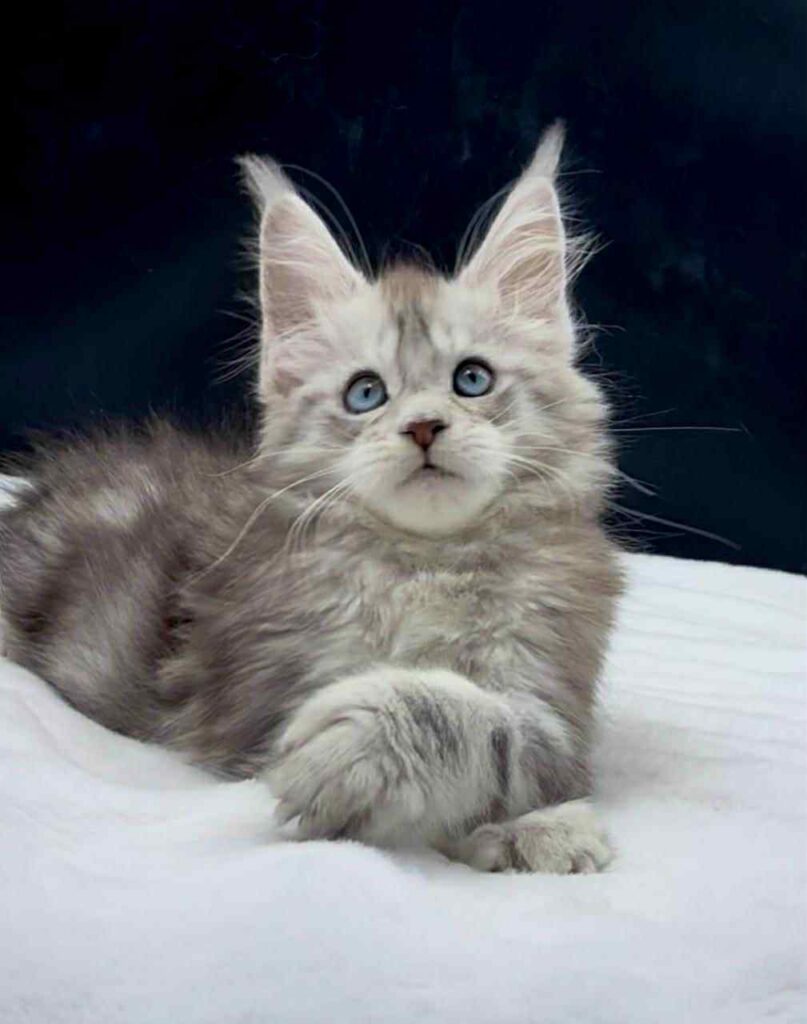
In the mid-2010s a different phenomenon emerged: vivid, intense blue eyes appearing in non-white, solid, tabby, tortoiseshell, and low-white Maine Coons. These striking sapphire or aquamarine eyes are caused by a relatively recent genetic mutation known as Dominant Blue Eyes (DBE), linked to variants in the PAX3 gene or related pathways.
DBE allows blue irises even when significant pigment is present in the coat. The result is dramatic—cats that look almost surreal and have become extremely popular in social media and certain breeder circles.
However, DBE is highly controversial within the Maine Coon community:
• It is not considered a naturally occurring trait in the breed’s foundation population.
• Major registries (CFA, TICA, FIFe, GCCF) do not accept DBE cats for showing in standard Maine Coon classes and often place restrictions on registration or breeding rights.
• Some lines show an association with hearing impairment (especially unilateral or bilateral deafness), wide-set eyes, minor facial asymmetry, or other pigment-related anomalies reminiscent of Waardenburg syndrome in humans—although not all DBE cats are affected.
• Many traditional and health-focused breeders actively avoid DBE to protect the breed’s long-term genetic health and historical integrity.
If you see a non-white Maine Coon with vivid adult blue eyes online, it is almost certainly a product of selective DBE breeding.
Final Thoughts: Heritage, Beauty, and Responsibility
Polydactyly and blue eyes—whether the classic white-cat variety or the newer DBE expression—represent two of the most visually captivating and historically rich aspects of the Maine Coon breed.
Polydactyly connects us directly to the working ship cats and hardy farm mousers that shaped the breed’s early identity. Blue eyes, in their accepted form, add an element of ethereal grace that has always been part of the genetic mosaic.
At the same time, the arrival of DBE has forced the community to confront important questions:
• How do we balance innovation and aesthetics with preservation of a natural, regionally developed breed?
• Where is the line between celebrating genetic diversity and introducing traits that may carry unintended health consequences?
• How can we honor the Maine Coon’s working-class, survival-driven origins while allowing room for modern appreciation?
Whether you admire a majestic polydactyl Maine Coon with snowshoe paws, treasure the luminous blue eyes of a white-coated beauty, or simply love the breed in all its forms, these rare traits remind us that Maine Coons are more than just pets—they are living history, genetic storytellers, and continuing proof of nature’s creativity.
Have you ever met a polydactyl Maine Coon? Do you own or dream of a blue-eyed beauty? Share your stories and thoughts below—I’d love to hear them.