The Importance of Maine Coon Winter Grooming
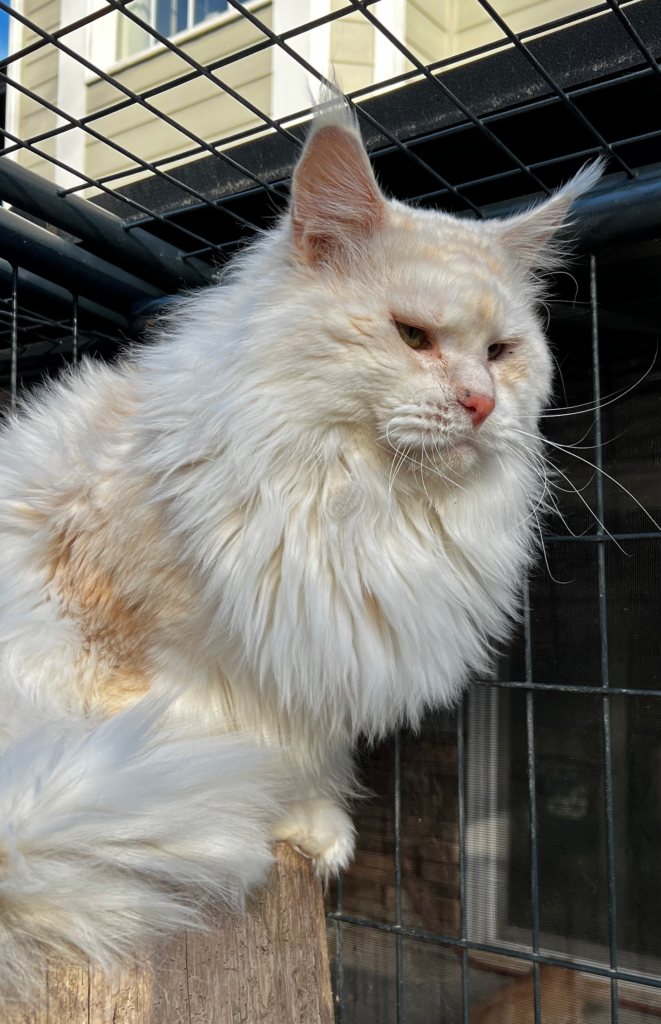
Proper Maine Coon winter grooming is the key to maintaining your cat’s majestic appearance and health during the colder months. While their thick, triple-layered coats are designed for warmth, the dry indoor air and heavy undercoat can lead to painful matting if not managed correctly. In this guide, we will cover how to keep your cat tangle-free and comfortable all season long
The Essential Winter Grooming Toolkit
To manage a Maine Coon’s dense winter coat, you need the right tools to reach the undercoat without pulling the skin:
Stainless Steel Greyhound Comb: Use this for deep combing to find hidden knots before they become mats.
Slicker Brush: Excellent for removing loose surface hair and dander.
Dual-Sided Undercoat Rake: Specifically designed to thin out the heavy winter undercoat safely.
Mat Splitter or Dematting Tool: A tool with guarded blades to break up tough mats without using scissors.
How to Safely Remove Stubborn Mats
Never use scissors to cut out a mat, as Maine Coon skin is very thin and moves easily. Follow this safe removal process:
Apply Cornstarch: Rub a small amount of cornstarch directly into the mat to help the hairs slide apart.
Isolate the Mat: Hold the base of the fur firmly between your fingers and the cat’s skin to prevent pulling.
Pick, Don’t Pull: Use the end tooth of your metal comb to gently “pick” at the edges of the mat, starting from the outside and working inward.
Use a Dematting Tool: For tight knots, use a professional dematting tool to “saw” gently through the knot until it separates into smaller pieces that can be combed out.
.
Winter Brushing Schedule & Frequency
In the winter, a Maine Coon’s coat requires extra attention due to increased density and static from indoor heating. To keep their fur majestic and mat-free, follow this recommended schedule:
- Standard Maintenance: Brush at least 3 to 4 times a week during peak winter months.
Heavy Shedding Periods: If you notice “tumbleweeds” of fur around the house, daily 10-minute sessions are better than one long weekly session.
Focus Areas: Pay extra attention to the “friction zones”—behind the ears, under the armpits, and the “britches” on the back legs—where mats form most quickly.
The “Static” Factor
Dry indoor air leads to static, which causes individual hairs to cling together and form knots. Consider using a pet-safe leave-in conditioner spray or a humidifier in the room where your cat sleeps to keep the coat supple and static-free.
Winter Paw & Ear Care for Maine Coons
Even if your Maine Coon stays strictly indoors, the winter environment affects their sensitive paws and those iconic ear tufts:
Trim the “Toe Tufts”: Those beautiful long hairs between the toes can trap litter, dust, and dry skin particles more easily in the winter. Keep them neatly trimmed to ensure your cat has good traction on cold hardwood or tile floors.
Moisturize Dry Paw Pads: Just like our hands, a cat’s paw pads can crack in dry heat. Use a tiny bit of organic, pet-safe coconut oil to keep them soft and healthy.
Check the Ear Tips: The thin skin on those lynx-like ear tips is sensitive to temperature changes. Ensure your cat has a warm, draft-free place to sleep away from cold windows.
To Bathe or Not to Bathe?
While Maine Coons are known for their water-resistant coats and some even enjoy playing in water, winter bathing requires caution:
Avoid Excessive Bathing: Bathing too often in winter can strip the natural oils from their skin, which are already being depleted by dry indoor heating. This can actually make their fur more brittle and prone to matting.
The “Spot Clean” Method: If your cat gets a bit of “tummy soil” or dirty paws, try using a damp cloth or pet-safe waterless shampoo instead of a full bath.
Dry Thoroughly: If a full bath is necessary, ensure your Maine Coon is completely dry before they leave the warm bathroom. Their thick undercoat can stay damp for hours, making them very cold in a winter house.
The Benefit of Warmth: A warm bath can occasionally help loosen a heavy undercoat during a seasonal shed, but only if followed by a thorough blow-dry on a low, warm setting.
The Natural Self-Cleaning Machine
The Maine Coon’s coat is a biological marvel that requires very little human intervention when it comes to cleanliness. Their grooming process is highly efficient; they use their specialized tongues to distribute saliva that acts as a natural cleanser, breaking down surface dirt while realigning the fur fibers to maintain insulation. By trusting this natural process and only stepping in for deep brushing, you allow your cat’s skin to maintain its own perfect pH balance throughout the winter.
The Winter Grooming Hack: Waterless Shampoo
For Maine Coons who find traditional baths stressful, a pet-safe waterless shampoo is an essential winter tool. These foams or sprays are designed to lift surface dirt and neutralize odors without saturating the thick undercoat. Because you don’t need to rinse with water, it eliminates the risk of your cat getting chilled in a cold house. Simply massage a small amount into the fur and towel it off to leave the coat smelling fresh and looking fluffy between deep grooming sessions.
Final Thoughts on Winter Grooming
Winter presents unique challenges for Maine Coon coats, but with a consistent routine, the right tools, and a “less is more” approach to bathing, you can keep your cat comfortable and majestic. Remember that grooming is also a wonderful way to bond with your feline friend. By staying ahead of mats and protecting their sensitive skin from the dry winter air, you ensure they stay happy and healthy until the spring thaw.