
Maine Coon Kitten Nutrition Guide
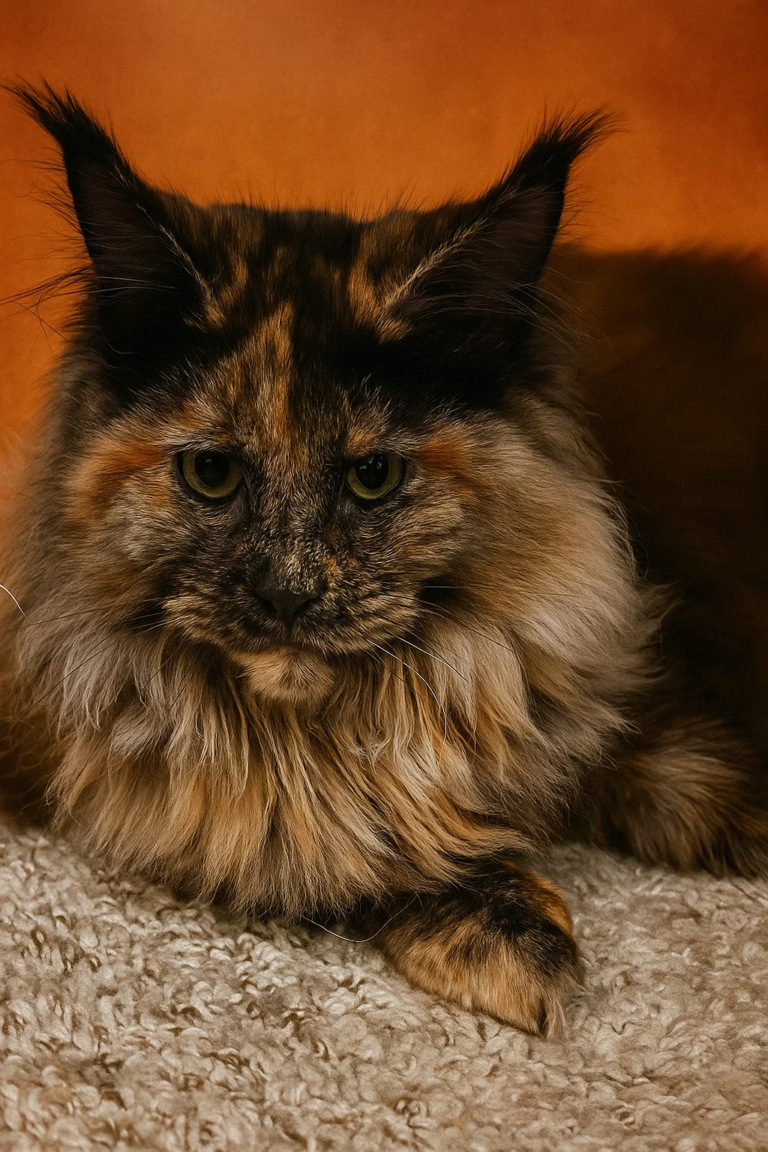
By Majestic Maine Coon Cats (MMCC)
Good Maine Coon kitten nutrition supports steady growth, healthy muscle and bone development, immunity, and lifelong body condition. The goal is not to make a kitten grow as large or as quickly as possible. It is to provide complete nutrition in an appropriate amount while monitoring each kitten as an individual.
Choose a Complete and Balanced Kitten Food
Select a commercial food with a nutritional-adequacy statement showing that it is complete and balanced for growth or all life stages. This matters more than whether one particular ingredient appears first on the label.
A properly formulated kitten diet should provide adequate animal-derived protein, essential fatty acids, vitamins, minerals, and taurine. Do not add calcium, vitamins, taurine, or other supplements unless your veterinarian recommends them; adding nutrients to an already balanced diet can create harmful imbalances.
How to Evaluate a Pet-Food Company
- Ask whether qualified veterinary nutrition professionals formulate the diets.
- Look for clear quality-control and ingredient-sourcing information.
- Confirm the food is appropriate for your kitten’s life stage.
- Choose a product your kitten tolerates and that helps maintain healthy stool and body condition.
Corn, wheat, and named meat by-products are not automatically “fillers” or signs of poor quality. Food allergies are uncommon and should be diagnosed with veterinary guidance rather than assumptions based on an ingredient list.
Wet Food, Dry Food, or Both?
Complete and balanced wet and dry kitten foods can both be used successfully. Wet food provides additional moisture, while dry food can be convenient for measured meals and food puzzles. A combination can offer flexibility, provided the total daily calories remain appropriate.
Fresh water should always be available. Some Maine Coons enjoy fountains, but bowls and fountains should be washed regularly to prevent biofilm buildup.
How Often Should a Maine Coon Kitten Eat?
Young kittens have small stomachs and high energy needs. Many do well with three to four measured meals daily during early growth. Older kittens may transition to two or three meals, depending on age, body condition, activity, and veterinary advice.
Use the manufacturer’s feeding guide only as a starting point. Weigh your kitten regularly and ask your veterinarian to track body-condition and muscle-condition scores. Calorie needs may change after spaying or neutering and as growth slows.
Treats and Human Foods
Treats should make up no more than about 10% of daily calories so they do not unbalance the main diet. Small pieces of plain, fully cooked meat or commercial single-ingredient treats can be offered occasionally.
Avoid chocolate, onions, garlic, grapes, raisins, alcohol, caffeine, xylitol-containing products, raw dough, cooked bones, and heavily seasoned or fatty foods. Most cats do not tolerate cow’s milk well. Contact a veterinarian or animal poison-control service promptly after a suspected toxic exposure.
Raw and Homemade Diets
Raw meat, raw poultry, unpasteurized milk, and raw eggs can expose cats and people to harmful pathogens. The FDA has also documented H5N1 illness and deaths in cats associated with contaminated raw animal products. We do not recommend feeding raw diets to kittens.
Homemade diets can be deficient in taurine, calcium, vitamins, or other essential nutrients even when they appear wholesome. If a medical condition requires a home-prepared diet, use a recipe formulated specifically for your kitten by a board-certified veterinary nutritionist.
Transition Food Gradually
Unless your veterinarian advises otherwise, change foods gradually over about seven to ten days:
- Days 1–3: approximately 75% current food and 25% new food
- Days 4–6: approximately half of each
- Days 7–9: approximately 25% current food and 75% new food
- Day 10: new food
Slow the transition if mild stool changes occur. Persistent vomiting, diarrhea, or refusal to eat requires veterinary advice.
When to Contact Your Veterinarian
Seek veterinary guidance for persistent vomiting or diarrhea, poor appetite, difficulty chewing, a swollen abdomen, sudden weight change, lethargy, excessive thirst, or poor growth. A young kitten that stops eating or becomes weak can deteriorate quickly and should be evaluated promptly.
When Should Kitten Food End?
Maine Coons may continue filling out for roughly three to five years, but that does not mean every cat should remain on calorie-dense kitten food for several years. Your veterinarian can recommend when to transition based on growth, neuter status, activity, and body condition.
Trusted references: the AAHA/AAFP kitten nutrition guidance, the AAHA nutrition and weight-management guidelines, and the FDA’s guidance on raw pet-food risks.
This guide is educational and does not replace individualized veterinary nutrition advice.
Continue with our kitten care essentials, Maine Coon health guide, and realistic Maine Coon size guide. When you are ready, view our available kittens.