
The Importance of Maine Coon Winter Grooming
Winter creates a different set of grooming challenges for a Maine Coon: dry indoor air can increase static, a dense coat can hide small tangles, and damp paws or fur need prompt attention. This seasonal guide focuses on keeping your cat comfortable during colder weather. For the complete year-round routine, tools, and grooming frequency, start with our Maine Coon grooming essentials guide.
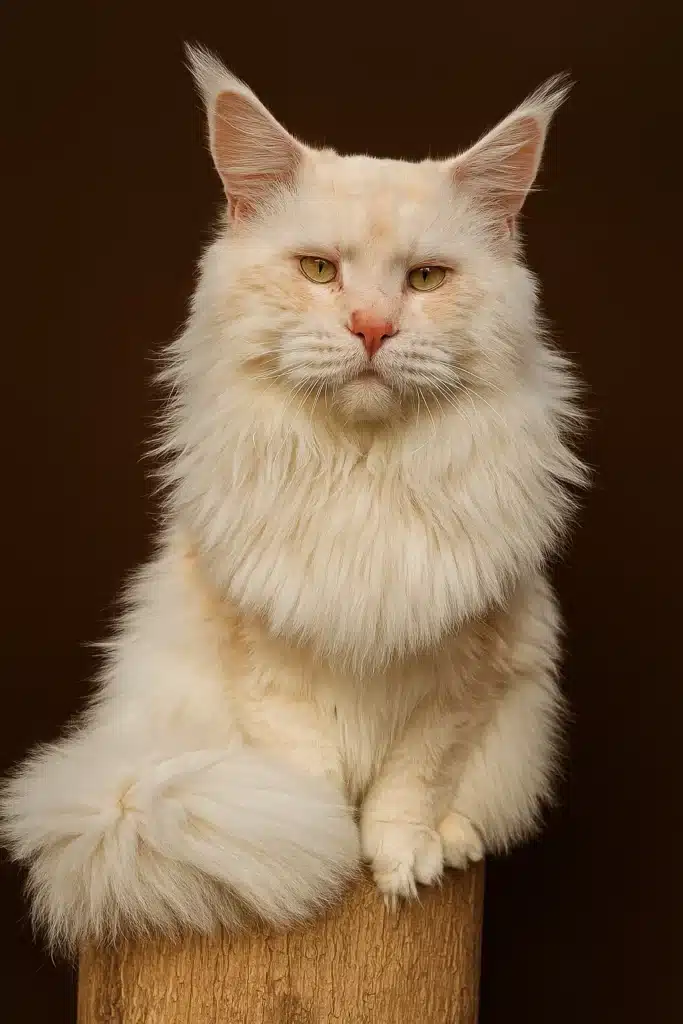
A winter coat check—not a second grooming routine
Continue using the wide-tooth metal comb and gentle slicker brush from your regular routine. During winter, spend extra time checking the dense undercoat and high-friction areas behind the ears, under the front legs, around the collar, and on the back-leg “britches.” Work in short sections and stop if the skin pulls or your cat becomes uncomfortable.
Handle winter mats safely
Catch tangles while they are still loose enough to separate gently with your fingers or a wide-tooth comb, working from the ends toward the skin. Never cut a tight mat with scissors; thin cat skin can be pulled into the mat and injured. If a mat is tight, large, close to the skin, or painful, have a professional groomer or veterinarian remove it safely.
Adjust grooming to your cat’s winter coat
Keep your normal grooming schedule, but add quick daily checks when the coat feels denser or static increases. Several short sessions are usually easier on a cat than one long session. Increase brushing during visible shedding, then return to the usual routine when loose hair decreases.
Reduce dry-air static
Indoor heating can dry the air and make long fur more prone to static and tangling. A clean humidifier may help keep the room more comfortable. Avoid human hair products, essential oils, and strongly scented sprays. If you use a grooming product, choose one labeled specifically for cats and follow its directions. Persistent dandruff, redness, itching, or hair loss deserves veterinary attention.
Winter Paw & Ear Care for Maine Coons
After outdoor or garage exposure, check your Maine Coon’s paws and lower coat for snow, ice, road salt, or deicing residue. Wipe the paws with a damp cloth and dry them so your cat cannot lick residue from the fur. Keep antifreeze and deicing products securely stored, and contact a veterinarian or pet poison service immediately if exposure is suspected. Indoors, inspect paw pads for cracks or irritation and ask your veterinarian before applying any moisturizer.
To Bathe or Not to Bathe?
Most healthy indoor Maine Coons do not need frequent winter baths. Spot-clean small messes with a damp cloth or a cat-specific grooming wipe. If a full bath is necessary, use a shampoo formulated for cats, keep the room warm, and dry the coat thoroughly—the dense undercoat can remain damp long after the surface feels dry. Avoid hot air and stop if your cat becomes distressed.
When professional help is best
Seek help from a veterinarian or experienced cat groomer for tight mats, painful skin, persistent odor, sores, sudden coat changes, or a cat that cannot groom normally. These signs can be more than a cosmetic issue.
The Winter Grooming Hack: Waterless Shampoo
A cat-specific, fragrance-light waterless cleanser may be useful for an occasional spot cleanup when a bath is impractical. Use only products labeled for cats, avoid the eyes and mouth, and follow the label exactly. Waterless products do not replace combing, and they should not be used to cover persistent odor or skin irritation.
Final Thoughts on Winter Grooming
The best winter plan is simple: keep the normal grooming routine, check dense areas more often, manage indoor dryness, and clean and dry the paws after outdoor exposure. Small, calm sessions prevent problems before they become painful. For year-round tools and scheduling, return to our complete Maine Coon grooming guide.