
How Big Do Maine Coon Cats Get?
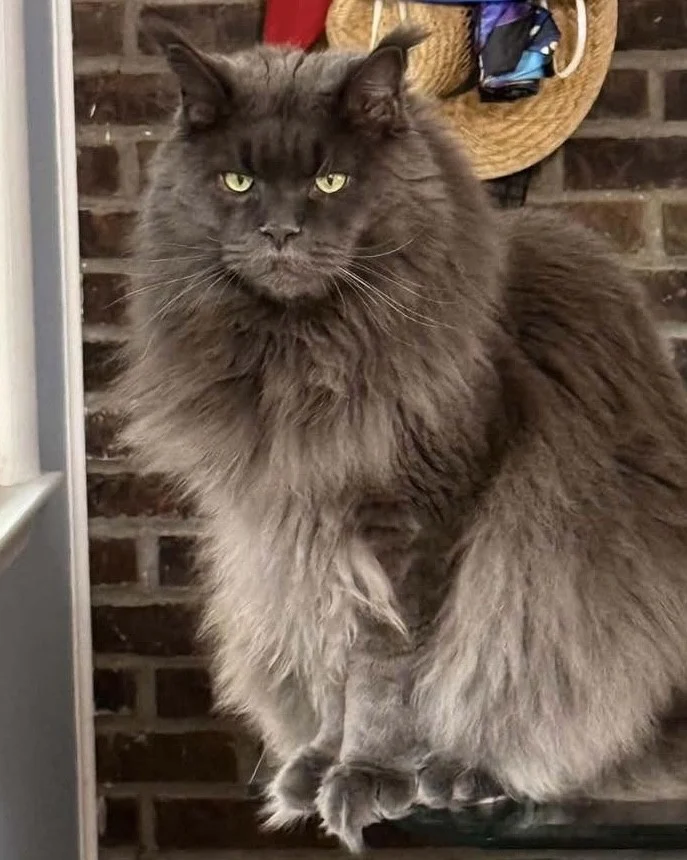
Maine Coons are among the largest domestic cat breeds, but their appeal goes far beyond a number on the scale. Their long rectangular bodies, substantial bone, shaggy coats, and flowing tails create an impressive presence—even when the cat is within a healthy, typical weight range.
Understanding normal variation helps families recognize the difference between a naturally large Maine Coon and an overweight cat. Ethical breeders select first for health, structure, and temperament—not for exaggerated size.
What Makes a Maine Coon Look So Large?
Several features contribute to the breed’s “gentle giant” appearance:
- A long, rectangular body and broad chest
- Strong bone and substantial paws
- A long, full tail
- A dense, uneven coat with a neck ruff and britches
- Slow physical maturation
Because coat and frame can create visual bulk, photographs are not a reliable way to judge healthy body condition.
Typical Adult Maine Coon Weight
TICA reports that mature male Maine Coons average approximately 13–18 pounds, while mature females average approximately 9–13 pounds. Individual healthy cats may fall outside these averages, but heavier does not automatically mean better, rarer, or more correct.
Maine Coons mature slowly and may continue filling out for roughly three to five years. Growth is influenced by sex, genetics, nutrition, activity, and overall health. A breeder can discuss the parents and family line, but no responsible breeder can guarantee an adult weight or “XXL” size for a kitten.
Length and Height
Maine Coons are often noticeably long from nose to tail. Exceptional record-holding cats receive attention online, but they do not represent the normal expectation for the breed. Length measurements also vary depending on how the cat is positioned and measured.
The best goal is a proportionate, athletic cat—not a particular weight or length.
Why We Do Not Promise “XXL” Maine Coons
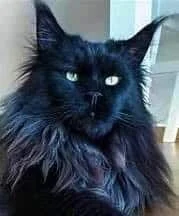
“XXL” is a marketing term, not an official size category in the TICA Maine Coon breed standard. Promoting the highest possible weight can encourage unhealthy expectations and make excess body fat seem desirable.
A Maine Coon over 20 pounds may be naturally large, overweight, or a combination of both. The scale cannot answer that question by itself. A veterinarian should assess body-condition and muscle-condition scores to determine whether an individual cat is at a healthy weight.
Caring for a Large Maine Coon
- Nutrition: Feed a complete and balanced diet appropriate for the cat’s life stage. Measure portions and adjust calories with veterinary guidance.
- Exercise: Encourage daily interactive play and provide stable climbing furniture sized for a large cat.
- Grooming: Comb the coat regularly and address tangles before they become painful mats.
- Joint support: Keep the cat lean. Do not add glucosamine, fatty acids, or other supplements unless your veterinarian recommends them.
- Veterinary care: Monitor weight trends, mobility, heart health, and dental health during routine examinations.
Choosing a Breeder: Health Before Size
A responsible Maine Coon breeder should discuss health testing, temperament, socialization, and realistic growth expectations. Be cautious of sellers who guarantee extreme adult weights or use “XXL” as the main reason for a higher price.
At Majestic Maine Coon Cats, our priority is raising healthy, well-socialized companions with appropriate breed type—not chasing a number on the scale. Learn how to choose a Maine Coon kitten, review our Maine Coon health guide, or view our available kittens.
Reference: TICA’s Maine Coon breed overview.
This article is educational and does not replace individualized veterinary advice.