
How to Find a Reputable Maine Coon Breeder
Choosing a Maine Coon breeder is one of the most important decisions you will make before bringing home a kitten. A responsible breeder should be transparent about health testing, veterinary care, living conditions, socialization, contracts, and ongoing support. This guide explains what to verify and which warning signs deserve closer attention.
Why Responsible Breeding Matters
Thoughtful breeding cannot guarantee that a kitten will never develop a health or behavior concern. It can, however, reduce avoidable risks and give families clearer information about the kitten’s background. Responsible breeders make decisions based on welfare, health data, temperament, pedigree, and the long-term future of every cat they produce.
- They provide relevant health-testing and veterinary records.
- They raise kittens in clean, appropriately enriched surroundings.
- They explain lineage, temperament, and known health history honestly.
- They use a written contract and remain available after placement.
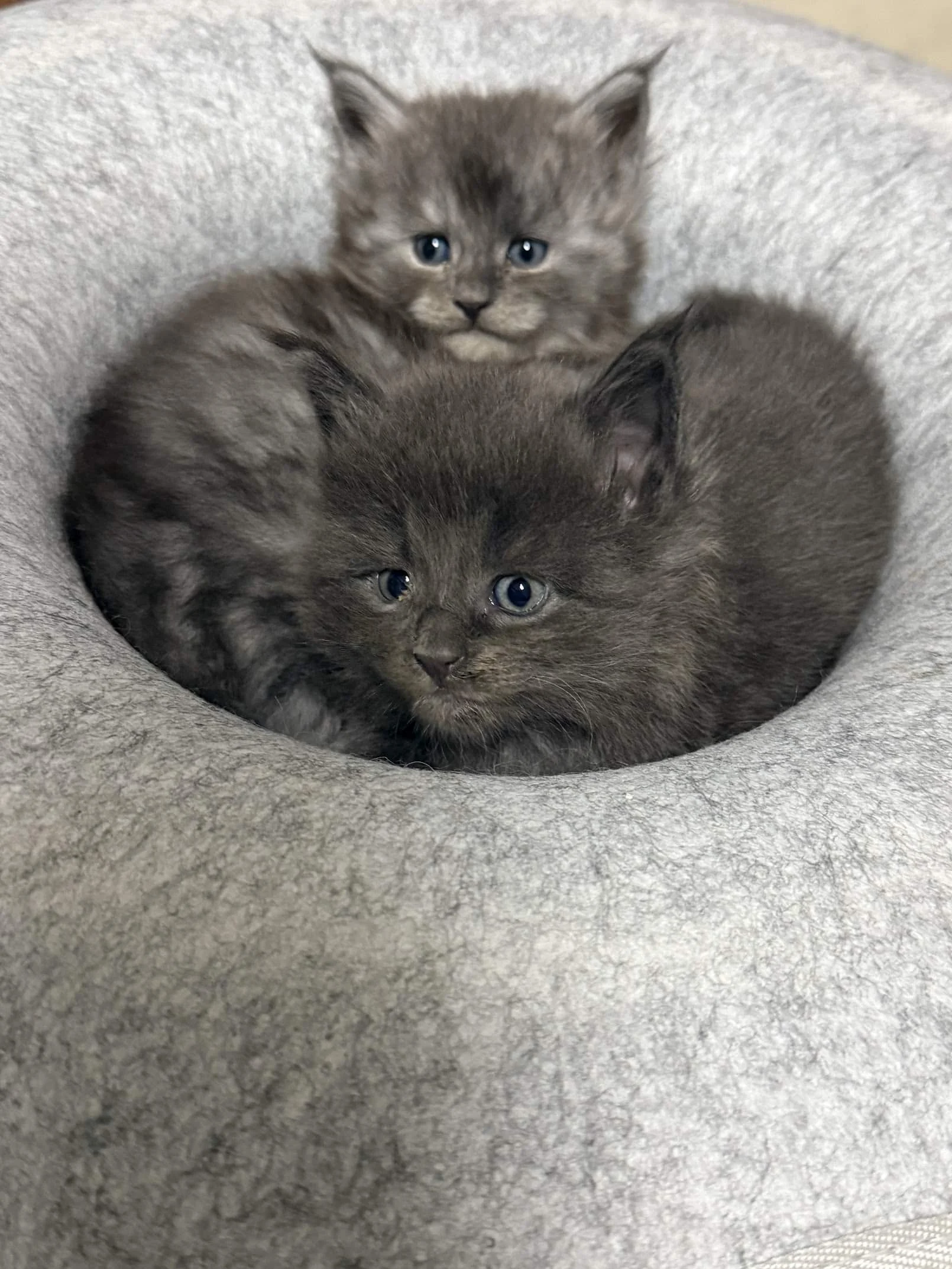
How to Evaluate a Maine Coon Breeder
- Review health testing. Ask which conditions are screened, how testing is performed, and whether you can review the parents’ results. Registration papers alone are not health testing.
- See how the cats live. A visit, live video call, or current unedited video can help you evaluate cleanliness, behavior, and the breeder’s interaction with the cats.
- Verify identity and history. Review references, established social accounts, website history, and consistent contact information. Be cautious of stolen photographs and pressure to pay immediately.
- Read the contract before paying. Understand the health terms, return policy, breeding or alteration requirements, pickup arrangements, and what happens if placement does not work out.
- Expect questions from the breeder. A careful breeder will want to understand your household, experience, and expectations before approving an adoption.
How Much Does a Maine Coon Kitten Cost?
Prices vary widely by breeder, location, pedigree, health program, and whether a kitten is placed as a companion or with breeding rights. A high price does not automatically prove quality, and a low price does not by itself prove fraud. Evaluate the documented care and practices behind the price rather than using cost as your only measure.
Plan for ongoing expenses as well, including complete nutrition, veterinary care, grooming supplies, enrichment, insurance or emergency savings, and appropriately sized cat furniture.
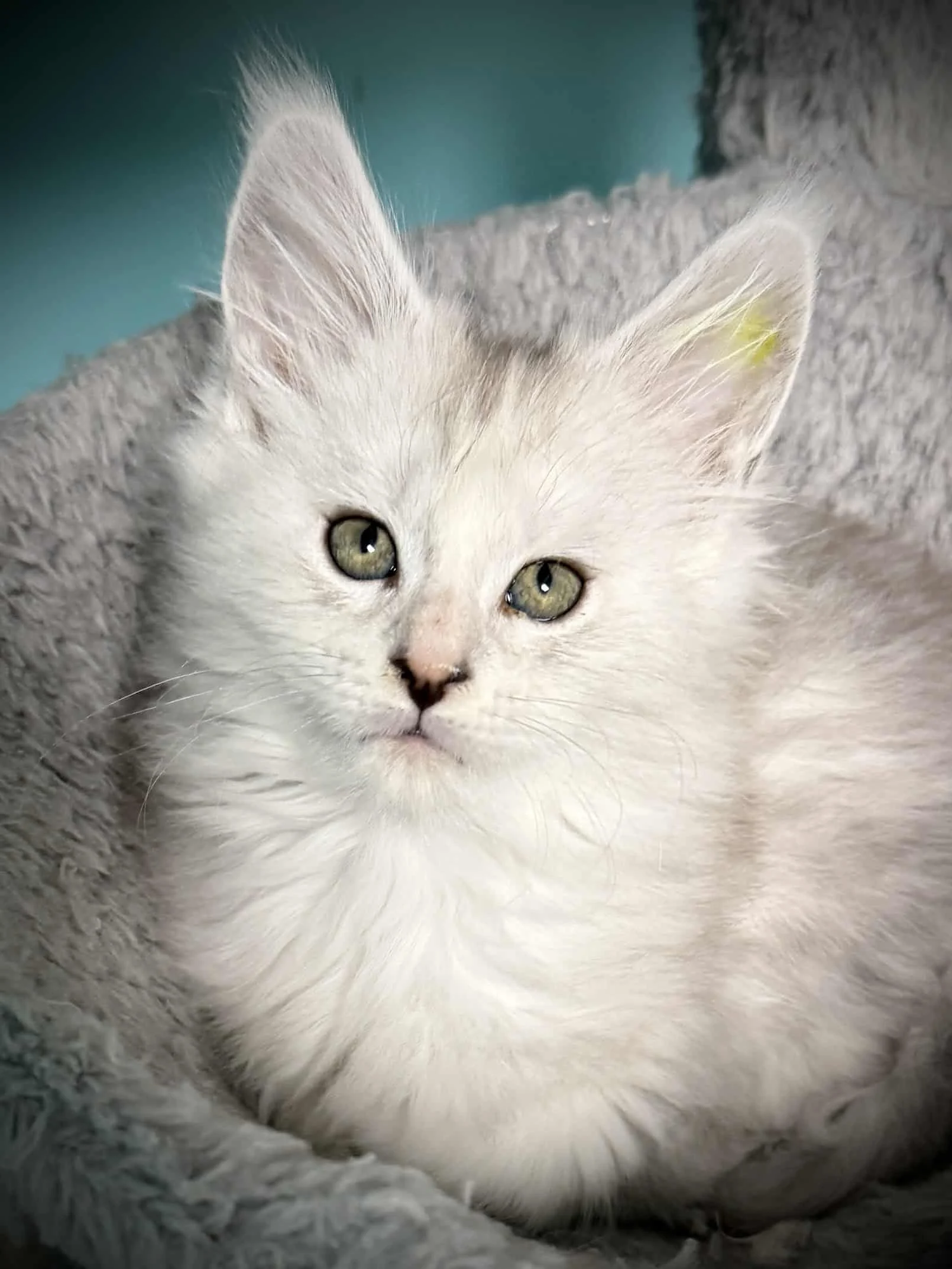
Warning Signs to Take Seriously
- The seller refuses live video, identification, records, or reasonable questions.
- Photographs appear on unrelated websites or social accounts.
- Payment pressure increases before you receive a contract.
- Claims about guaranteed size, health, or temperament sound absolute.
- The seller’s name, location, payment account, and website details do not match.
For additional protection, read our Maine Coon kitten scam-prevention guide.
Preparing to Bring Your Kitten Home
Before pickup, prepare a quiet transition space, secure hazards, purchase appropriate food and supplies, and arrange a veterinary examination within the timeframe required by your contract. Introduce family members and other pets gradually, maintain the breeder’s feeding routine during the transition, and give your kitten time to adjust.
The right breeder will not rush your decision. Take time to verify the information provided, read every document, and choose a breeder whose actions consistently support the health and welfare of the cats.
Next steps: View available kittens and review our adoption process.