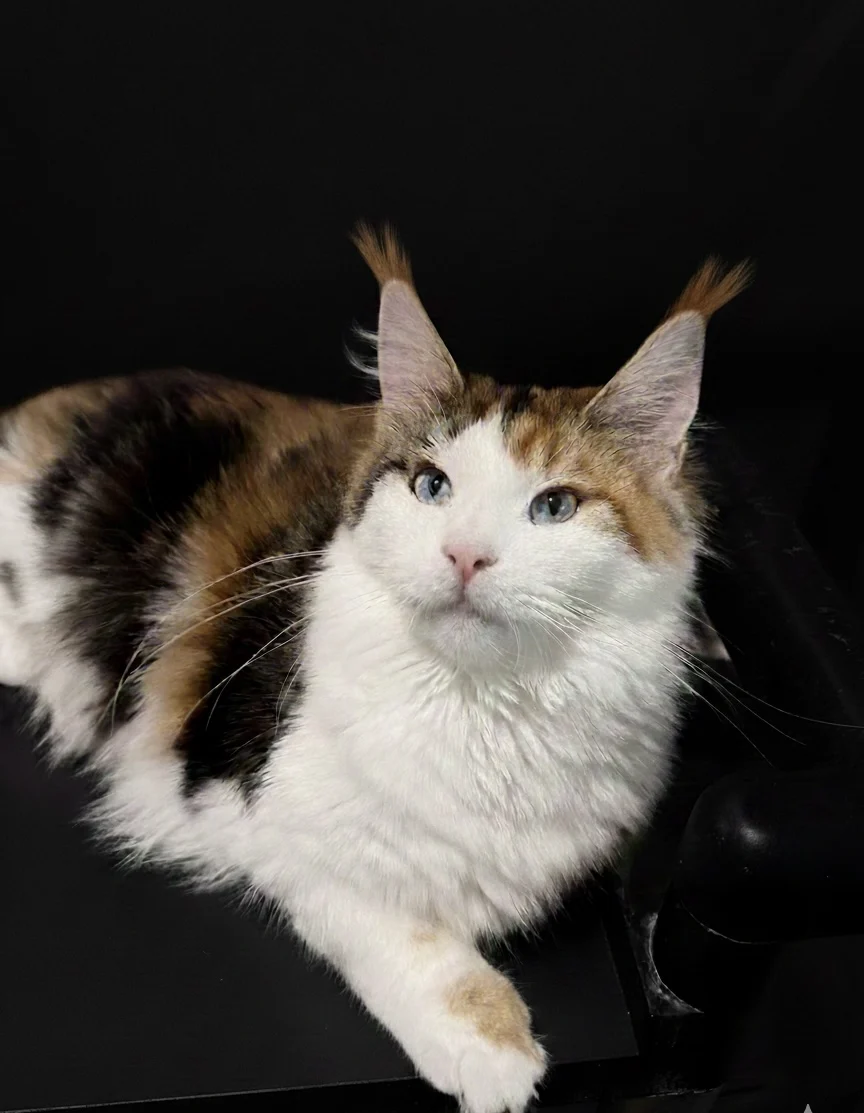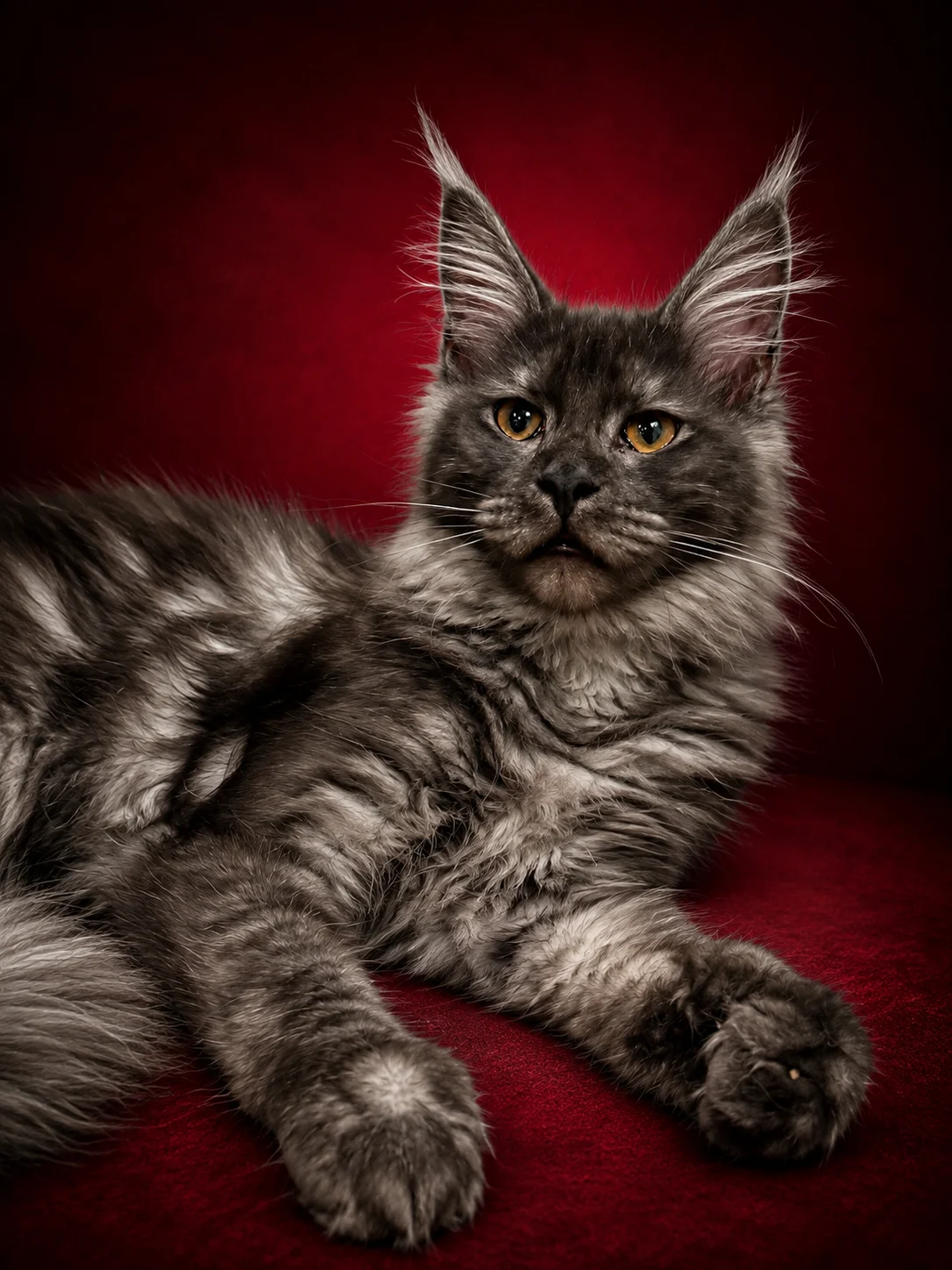
Maine Coon Behavior & Training Guide: Tips for a Confident, Well-Mannered Kitten

Maine Coons are smart, social, and full of personality. With the right training and routine, your kitten can grow into a confident, polite, and loving companion. This guide walks you through the basics of behavior, training, and everyday life with a Maine Coon kitten.

Understanding Maine Coon Behavior

Maine Coons are often called “gentle giants.” They are usually:

  • Affectionate but not clingy – they like to be near you, not always on you.
  • Curious and playful – they enjoy exploring, climbing, and watching everything you do.
  • Intelligent – they learn routines quickly and respond well to gentle training.
  • People-oriented – many will greet guests, follow you around the house, and “chat” with you.

Understanding these natural traits helps you guide your kitten in a positive way instead of fighting against their instincts.

Building Trust and Routine

The first weeks in your home should focus on trust and predictable routine. A confident kitten behaves better and learns faster.

  • Quiet first days: Keep things calm. Let your kitten explore one room at a time and come to you when they are ready.
  • Gentle handling: Pet softly, speak quietly, and avoid sudden grabs or loud noises.
  • Daily rhythm: Feed, play, and rest around the same times each day so your kitten feels secure.

Litter Box, Scratching & Surfaces

Good manners with the litter box and scratching posts start with smart setup, not punishment.

  • Litter box: Keep it in a quiet, easy-to-reach place. Scoop daily and avoid strong perfumes. Most kittens use the box reliably if it is clean and accessible.
  • Scratching posts: Place tall, sturdy posts near beds, sofas, and doorways – the same places your kitten wants to scratch naturally.
  • Redirect, don’t scold: If your kitten scratches furniture, gently move them to the post and reward when they use it.

Socialization: People, Sounds & New Environments

Early positive experiences create a well-mannered adult cat.

  • Guests: Allow your kitten to approach new people at their own pace. Ask visitors to sit, speak softly, and offer a treat or toy.
  • Household sounds: Gradually expose your kitten to vacuums, hair dryers, and kitchen noises so they learn these are normal, not scary.
  • New spaces: Introduce extra rooms slowly. Let your kitten explore while you are nearby for reassurance.

Play, Energy & “Zoomies”

Maine Coon kittens have bursts of wild energy. This is normal and healthy, as long as you channel it into structured play.

  • Interactive play: Use wand toys, feather teasers, and balls to help your kitten chase and pounce.
  • Short, frequent sessions: Aim for several 10–15 minute playtimes throughout the day.
  • Evening zoomies: A good play session before bed often reduces midnight running and meowing.

Positive Reinforcement Basics

Maine Coons respond best to calm, reward-based training.

  • Reward what you like: Treats, praise, and gentle petting right after a desired behavior help your kitten connect the action with something positive.
  • Ignore minor mischief: Many small behaviors fade if they do not get attention.
  • Redirect unwanted actions: Offer a toy, scratching post, or alternative activity instead of simply saying “no.”

Common Behavior Challenges & How to Handle Them

Most challenges are normal kitten behavior that can be shaped with patience. Here are the most common issues and simple ways to address them:

Night Zoomies

  • Increase active play in the late afternoon and early evening.
  • Offer a final, small meal before bed.
  • Keep nights calm and low-stimulation if your kitten wakes you.

Gentle Biting or Nipping

  • Never use hands as toys. Swap to wand toys and kickers.
  • If your kitten bites during petting, calmly stop interaction for a short moment.
  • Reward calm behavior with touch and attention.

Fear of New People

  • Allow hiding places and never force your kitten out.
  • Ask guests to sit quietly and let the kitten approach first.
  • Use treats or play to create positive associations with visitors.

Scratching Furniture

  • Place scratching posts near the furniture being targeted.
  • Use catnip or toys to encourage interest in the post.
  • Reward every time your kitten chooses the post instead of the furniture.

Overstimulation During Petting

  • Watch for early signs like tail flicking, skin twitching, or a suddenly tense posture.
  • End petting calmly before your kitten feels overwhelmed.
  • Keep petting sessions short and sweet until they relax more.

Door Dashing

  • Keep treats or toys near doors to redirect your kitten when you come and go.
  • Reward your kitten for staying a few steps back from the door.
  • Use baby gates or closed doors if your kitten is very determined.

When to Ask Your Veterinarian or Breeder

Behavior and health are closely connected. Contact your veterinarian or trusted breeder if you notice:

  • Sudden changes in behavior, appetite, or litter box use.
  • Persistent aggression, extreme fear, or hiding.
  • Vocalizing in pain, limping, or any other signs of illness.

Bringing It All Together

Raising a Maine Coon kitten is a mix of structure, patience, and plenty of love. Clear routines, positive reinforcement, and gentle socialization help your kitten grow into the confident, well-mannered companion you imagined.

Start small, stay consistent, and celebrate each milestone along the way. Your kitten is learning every day – and so are you.

Maine Coons are smart, social, and full of personality. With the right guidance, your kitten can grow into a confident, polite, and loving companion. This guide walks you through essential behavior and training fundamentals, written specifically for new Maine Coon owners.

Understanding Maine Coon Behavior

Maine Coons are known as gentle giants. They are usually:

  • Affectionate but independent – near you, but not overly clingy.
  • Curious and playful – always exploring, chasing, climbing.
  • Highly intelligent – they learn routines and rules quickly.
  • People-oriented – many follow you from room to room.

Building Trust & Routine

  • Quiet first days: Let your kitten explore slowly and at their own pace.
  • Gentle handling: Soft voices and calm interactions build trust fast.
  • Consistent daily rhythm: Same times for food, play, rest.

Litter Box, Scratching & Surfaces

  • Litter box: Quiet location, clean daily, no strong fragrances.
  • Scratching posts: Place tall posts near furniture your kitten targets.
  • Redirect gently: Move them to the post and praise immediately.

Socialization: People, Sounds & New Environments

  • Guests: Ask visitors to sit quietly; allow kitten to approach on their own.
  • Sounds: Gradually introduce vacuums, TVs, and normal household noise.
  • New rooms: Explore one room at a time so your kitten never feels overwhelmed.

Play, Energy & “Zoomies”

  • Interactive play: Wand toys and feathers burn energy safely.
  • Short sessions: Several 10–15 minute playtimes daily work best.
  • Night zoomies: A long evening play session usually reduces them.

Positive Reinforcement Basics

  • Reward behavior you like: Treats, praise, gentle petting.
  • Ignore small misbehavior: Many minor issues fade when not reinforced.
  • Redirect unwanted behavior: Offer toys, posts, or alternatives.

Common Behavior Challenges & How to Handle Them

Night Zoomies

  • Play before bed to burn extra energy.
  • Offer a small bedtime meal.

Gentle Biting or Nipping

  • Never use hands as toys.
  • Stop petting briefly if kitten bites.
  • Reward calm behavior immediately.

Fear of New People

  • Let your kitten hide; never force interaction.
  • Ask guests to stay calm and quiet.
  • Use treats to build positive associations.

Scratching Furniture

  • Place posts next to the furniture being scratched.
  • Encourage use with catnip or toys.

Overstimulation During Petting

  • Stop petting if you see tail flicking, twitching skin, or stiff posture.
  • Keep sessions short until your kitten relaxes.

Door Dashing

  • Keep treats or toys near the door.
  • Reward your kitten for staying back from the entry.

When to Ask Your Veterinarian or Breeder

  • Sudden changes in energy, appetite, or litter box habits.
  • Persistent hiding, fear, or aggression.
  • Pain, limping, or unusual vocalizing.

Bringing It All Together

Raising a Maine Coon kitten is rewarding, joyful, and full of growth for both you and your kitten. With structure, patience, and positive reinforcement, your kitten will develop into the confident, well-mannered companion you imagined.


Looking for your perfect Maine Coon Kitten?

Explore our currently available kittens or join the waitlist for future litters.

Leave a Comment

Your email address will not be published. Required fields are marked *

Scroll to Top